
What do you want to be great at? Let’s keep it REAL, whatever you want, you’ll need to work for it. Of course, we all have natural ability, but that’s only half the battle at best. We all know those stories of people with natural ability who just can’t figure it out. We also know those stories of people who may not have been naturally talented, but worked extremely hard and got the job done. Yes, the key ingredient is work ethic. We refer to Effort a lot throughout our posts and that’s on purpose. Without effort, you can only get away with natural ability at a certain point. Eventually, people will catch up to you because of their hard work.
So, how much work do we need to put in to be great? Malcolm Gladwell’s book, Outliers: The Story of Success, refers to the 10,000-hour rule, which states that it requires 10,000 hours of concentrated practice to master something. This rule is for people who do not fit the typical mold of naturally gifted and must get better strictly from working at it. According to the book, this rule can be applied to everything. The idea was originated by the late K. Anders Ericsson, who expressed that, while 10,000 hours an ideal range, it is not necessarily about the number of hours spent practicing, but more about the quality of practice.
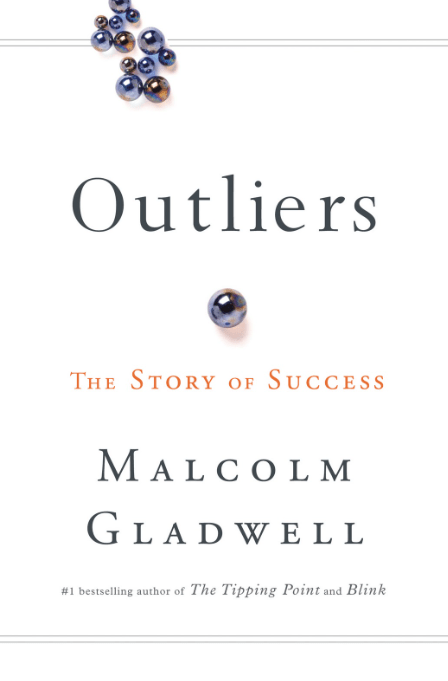
Quality over quantity is an important concept to fully grasp the idea of improvement. Let’s keep it REAL, some of us just think that showing up is all we need to do and the rest will take care of itself. Unfortunately, it just doesn’t work like that. It’s also not wise to show up and just go through the motions. That might actually be counterproductive, because you could use that time to do something that you actually will put your full effort into. Ericsson refers to quality practice as deliberate practice and, as previously mentioned, Gladwell refers to this as concentrated practice. Regardless of what you call it, the amount of work you need to put in to be great can only be dictated by the quality of work that you put in.

Now, let’s discuss the rule of 10,000 hours a bit further. If we consider this rule in terms of life, if there are 365 days in a year and 24 hours in a day, 10,000 hours is a little over one year of constant work. Obviously, we can’t work constantly for that long without sleep, rest, recovery, etc. but we can break this number down to make it a bit more manageable. Just to give a brief example, if we work hard for two hours a day on something, that routine would take us about 14 years to master something we want to be great at.
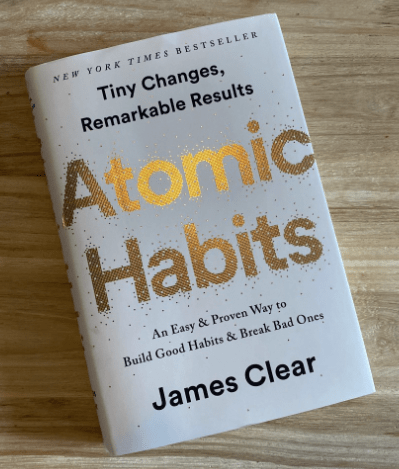
What we want you to realize, is that you shouldn’t quantify the number of hours it will take, because it might seem overwhelming. Instead, you should embrace the process of the hard work you’re putting in so that you’re putting in quality work. Embracing the process doesn’t have a time limit, but instead holds you accountable to get better every day. Also, check out Atomic Habits, which discusses the importance of working hard every day to get 1% better and how this mindset can positively contribute to your motivation to continue to work hard on a more consistent basis.
REAL Success takes a life-long dedication of hard work. Let’s keep it REAL, you can never really master something because life is so unpredictable and things are constantly evolving. The best way to approach success, then, is to realize that it is an everyday routine of quality work that will always be a part of who you are. Consider that the journey might actually be more important than the destination. We hope this post was valuable to you and helped you prioritize the quality of the work that you put into whatever you want to be great at. Also, if you haven’t already, check out REAL Habits 4 Success to learn about more concrete habits you can incorporate into your life to be successful.
Keep it REAL.
 Recognize Education And Learning